If you’ve ever stood in a construction yard, security staging area, or even a residential development site, you’ve probably walked past something that looks like a metal grid stretched tight between posts—9 times out of 10, that’s an expanded fence. As someone who’s spent 12 years working with expanded metal products, first as a fabricator, then as a supplier for projects ranging from small neighborhood sidewalk repairs to large-scale event security and industrial facility fencing, I can tell you this: choosing the right expanded fence isn’t just about grabbing the first roll that fits your budget. I’ve seen project managers waste thousands of dollars on fences that rusted out in six months because they picked the wrong material, or that sagged and failed a load test because they miscalculated mesh size and thickness. Expanded Fence
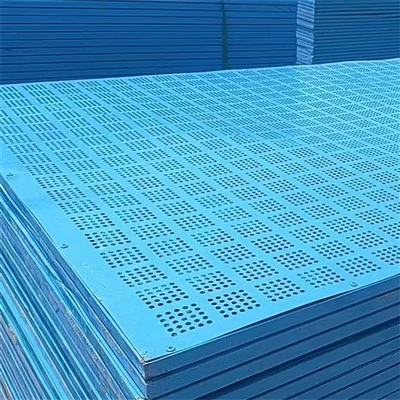
This post is the real-world guide I wish someone had handed me when I was starting out, back when I thought all expanded fences were the same. By the end, you’ll know how to match the right expanded fence to your project, no matter how big or small.
First, let’s get one basic thing straight: what is an expanded fence, anyway? Unlike chain-link, which is woven, or welded wire mesh, which is joined at every intersection, expanded fence is made by cutting a single sheet of metal in a crisscross pattern and stretching it open to form uniform, diamond-shaped openings. That single manufacturing method is why it’s so strong, light, and versatile—more efficient to install than many alternatives, and less likely to break at weak points like welded joints. But that versatility means there are dozens of variables, and picking the wrong one is a common, costly mistake.
The first and most critical decision you’ll make is choosing the material of your expanded fence, and this depends almost entirely on where your project will live. Let’s break down the most common options, and what I’ve seen work (and fail) for each use case.
If your project is indoors, or in a climate with zero risk of moisture, rain, salt air, or snow, carbon steel expanded fence is the cheapest, most durable pick. It’s made from mild steel, it’s rigid, it can take heavy impacts, and it’s easy to cut or shape on-site for custom projects. But here’s the catch: carbon steel rusts. Fast. I once sold a 50-foot roll of carbon steel expanded fence to a guy who was fencing a backyard storage shed in Florida, and he called me three months later crying because the fence had turned orange and flaked apart after the first hurricane season. If your project is exposed to the elements for more than a few months, skip plain carbon steel. If you do use it, make sure it gets a heavy galvanization coat—hot-dipped galvanized, not the cheap electro-galvanized stuff that flakes off after a year. I also strongly recommend a powder coat finish if you want it to look good long-term; I’ve worked with commercial construction teams that use powder-coated carbon steel for storefront security grilles, and 10 years later it still looks as good as the day it went up.
For any outdoor project in a moderate to humid climate, aluminum expanded fence is my go-to. It’s light, 1/3 the weight of steel, so it’s way easier to haul and install—perfect for fencing raised garden beds, pedestrian barriers, or event staging areas that need to be taken down and moved. It never rusts, even if you leave it out year-round in rain, snow, or salt air near the coast. But it’s not unbreakable. Last year, a college campus called me to replace aluminum fencing they’d put around their sports fields; they’d used 1/8-inch thick aluminum, and when a student’s car veered off the parking lot and hit it, the fence crumpled like tin foil. Aluminum is great for low-impact, temporary, or non-load-bearing uses, but if you need it to stand up to heavy impacts, go thicker or pick a different material.
Then there’s stainless steel expanded fence. This is the heavy hitter. It’s more expensive—usually 3 to 5 times the cost of galvanized carbon steel—but it’s practically indestructible. It resists rust, corrosion, and even extreme temperatures, making it ideal for coastal projects, industrial facilities that handle harsh chemicals, or permanent security fencing. I supplied a stainless steel expanded fence for a desalination plant in Texas a few years back, and that fence has been up for 7 years, exposed to salt spray and briny water, and it still looks brand new. The only downside is the cost, so it’s not for every project, but when you need a fence that will last 20+ years without maintenance, it’s the only choice.
Once you’ve picked your material, the next step is to get the mesh size right. This is another area where I see mistakes all the time, and it’s usually tied to what you’re trying to keep in or out of your site. Expanded fence mesh size is measured in two ways: the length of the long diagonal of the diamond opening, and the width of the metal bar that forms the diamond. It sounds simple, but it makes a huge difference.
For example, if you’re fencing a residential backyard, and you don’t want small dogs or cats squeezing through, a mesh size of 1 inch long diagonal and 1/8-inch bar is a common pick. I had a customer a few months ago who tried to use a 2-inch mesh size for his dog run, and his 10-pound Chihuahua squeezed through the gaps within a week. If you’re fencing for security—say, to keep people from climbing over or reaching through—you want a smaller mesh and thicker bars. For high-security projects, we use a ½-inch mesh with 3/16-inch or ¼-inch bars; that makes a fence you can’t climb, and you can’t fit a hand through to pull on posts. If your project is temporary, like a construction site perimeter, a 2-inch mesh with 1/8-inch bar is fine—it’s light, easy to transport, and it still keeps out casual trespassers. But if you’re fencing a public park, and you want kids to be able to see through the fence (which is often a requirement for city projects), a larger mesh—3 to 4 inches long diagonal—works great. It keeps kids in, lets sunlight and air through, and looks much less restrictive than a tight mesh.
The other part of mesh size that people miss is the thickness of the metal bar, called “gauge” in North America (lower gauge numbers mean thicker metal). 16-gauge is thin, light, and great for temporary use, but it will sag under its own weight if you install a 10-foot tall roll. 12-gauge is a middle ground, good for 6 to 8-foot tall permanent fences in low-wind areas. 10-gauge and above is heavy-duty, perfect for 8 to 12-foot tall fences, or projects in high-wind zones, like coastal areas or plains where strong winds are common. I always tell people: if you’re in doubt, go thicker. You can always trim extra thickness if you need it, but you can’t add strength later.
Next, think about height and overall load requirements. This is tied to where the fence is going, and what purpose it serves. A 4-foot tall fence for a garden is way different than a 12-foot tall security fence for a warehouse. For any fence over 6 feet tall, you have to account for wind load, especially if it’s in an open area. Expanded fence is more porous than solid metal or chain-link, so it handles wind better, but it’s not invincible. I once had a project manager install a 10-foot tall, 2-inch mesh aluminum fence in a wind tunnel area of Wyoming; after the first spring thunderstorm, half the fence blew over because he didn’t use thicker bars for the extra height. For tall fences, not only do you need thicker metal, but you also need to space your posts closer together—usually every 6 feet, versus 8 feet for shorter fences. If you’re using the fence as a barrier for heavy equipment or vehicles, like a worksite equipment laydown area, you might also need to add horizontal rails between posts to add extra rigidity, or even use a heavier gauge than you would for a regular perimeter fence.
Temporary vs. permanent use is another big factor. A lot of people buy a fence that’s built for permanent outdoor use, when they only need it for a 3-month construction project. Permanent expanded fence, like hot-dipped galvanized or stainless steel, is heavy, and not designed to be taken down and moved multiple times; it’s more rigid, so it’s harder to bend and adjust on a temporary site. Temporary expanded fence is usually lighter, often powder-coated for easy visibility, and built with thinner bars that are designed to be installed and removed quickly, usually with clamp-style connections instead of welding or permanent bolts. I sell a lot of temporary expanded fence for concert venues and road construction projects, because it’s cheap to rent or buy, and you can set up a 100-foot perimeter in an afternoon.
Don’t forget about finish, either. Even if you pick the right material and mesh size, a bad finish can ruin your fence. We already talked about galvanization for steel, but there’s also paint, powder coat, and plain mill finish. For projects where appearance matters, like storefronts, office building perimeter fences, or residential fencing, a powder coat finish is the way to go. It comes in hundreds of colors, it’s durable, and it doesn’t peel or flake like regular paint. A lot of city projects require matching a specific color scheme, and powder coat lets you do that. For industrial or agricultural projects where appearance isn’t as important, mill finish (the raw, uncoated metal) or a basic galvanized finish is fine, as long as it’s protected from rust.
Now, let’s walk through a quick example to make this concrete. Suppose you’re a homeowner fencing a ½-acre backyard for your two medium-sized dogs, plus a raised vegetable garden. You live in Ohio, which has hot, humid summers and cold, snowy winters. What do you pick? First, material: aluminum would be too flimsy for medium dogs, so galvanized carbon steel is the go-to. Make sure it’s hot-dipped galvanized, not electro-galvanized, to avoid rust in the snow and rain. Mesh size: 1-inch long diagonal, 1/8-inch bar, so small dogs can’t squeeze through, and medium dogs can’t fit their heads through. Gauge: 12-gauge, strong enough to not sag over 5 feet of height (the standard backyard fence height) and stand up to your dogs leaning on it. Height: 5 feet, which is the standard for residential pet fencing. Finish: go with a black powder coat so it matches your house exterior, no plain gray galvanized steel that will stand out in your yard. If you did that, you’d have a fence that lasts 15+ years, fits your needs, and doesn’t cost an arm and a leg.
Another example: a construction company fencing a 2-acre worksite for 6 months, in Arizona, where temperatures can hit 115 degrees in the summer, and wind is common. Here, temporary expanded fence is the right call. Pick 16-gauge galvanized steel, 2-inch mesh, 6-foot height. Temporary clamps to connect panels, spaced every 8 feet, no need for a permanent concrete base—you can set it on top of packed gravel or temporary posts, and take it down when the project is done. It’s lightweight, easy to haul, and cheap enough that you don’t have to worry about it getting a little scratched or scuffed during the worksite use.
I’ve learned a lot over the years, and some of my best lessons came from mistakes. Early in my career, I sold a stainless steel expanded fence to a farmer for his livestock pen—way overkill, and he complained that it was too heavy to move around his pasture. I learned to ask more questions: not just where, but what for, how long, what’s the climate, and what does the customer expect out of the fence. The right fence isn’t the most expensive one, or the cheapest one—it’s the one that checks all your specific boxes, without wasting money on features you don’t need.

At the end of the day, expanded fence is one of the most versatile, cost-effective fencing materials on the market, but only if you pick the right one for your project. If you’re still not sure what you need, or you have specific requirements for your next project, feel free to reach out to our team to talk through your needs, get a custom quote, or learn more about the options we carry. We work with everyone from homeowners to large construction companies, and we’re happy to help you avoid the mistakes I made early on.
Post Fence REFERENCES
- Expanded Metal Manufacturers Association. (2021). "Specifying Expanded Metal Products for Construction and Industrial Applications." Industry Technical Report.
- American Society for Testing and Materials (ASTM). (2019). "Standard Specification for Expanded Metal Fence and Grating." ASTM A1011/A1011M-19.
- National Association of Home Builders. (2020). "Residential Fencing Material Guide: Performance, Cost, and Longevity." NAHB Research Center Report.
- Occupational Safety and Health Administration (OSHA). (2022). "Temporary Fencing and Barricades for Construction Sites." OSHA Technical Manual, Section III, Chapter 1.
Anping Binze Wire Mesh Products Co., Ltd.
We are one of the most experienced expanded fence manufacturers and suppliers in China, also support customized service. Please feel free to buy high quality expanded fence for sale here from our factory. For price consultation, contact us.
Address: Taicheng Industrial Zone, Anping County, Hengshui City, Hebei Province
E-mail: binzemesh@outlook.com
WebSite: https://www.binze-mesh.com/
