Hey there, it’s Jake from the downlight connector team here. Before I dive into what makes a smart downlight connector work, let me cut through all the marketing fluff—because most of the “compatibility guides” you’ll read online are written by people who’ve never spent 12 hours troubleshooting a connector that fried mid-install at a 10-story office build. Last quarter, we got a call from a general contractor in Chicago who’d just pulled a full set of LED downlights out of a 50,000 sq ft co-working space because their generic connectors wouldn’t sync with the new smart control system. They’d wasted two weeks re-wiring, plus another three days dealing with code inspectors. That’s the kind of pain we’re here to help you avoid. So let’s break down the non-negotiable compatibility requirements for smart downlight connectors—no jargon, just real-world stuff that actually matters. Downlight Connector
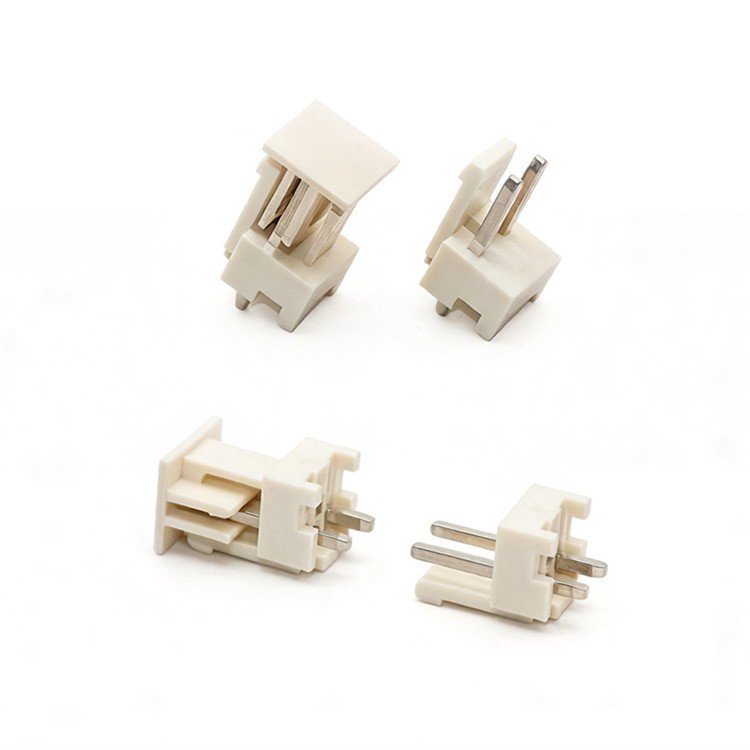
First, let’s start with the electrical fundamentals that trip up so many teams. A smart lighting system isn’t just bulbs and a phone app—it’s a delicate balance between the fixture’s power draw, the connector’s current handling, and the control system’s signal output. Generic downlight connectors are built for basic on/off and dimming, but smart systems (especially those using Zigbee, Z-Wave, or Wi-Fi) pull small, constant control signals that cheap connectors can’t process without interference. The biggest gotcha here is voltage compatibility. Most line-voltage downlights run on 120V or 277V, but some low-voltage recessed lights use 12V or 24V. If your connector is rated for 120V and you hook it to a 277V smart fixture, you’re looking at arcing, signal dropouts, or even a fire hazard. Last year, we had a client in Dallas who installed a $20k smart lighting system with off-the-shelf connectors rated only for 120V—within a month, 18% of their downlights wouldn’t respond to the app because the connectors couldn’t handle the 277V line. The fix? Swapping to our UL-listed connectors rated for both voltage ranges, which also filtered out the electrical noise from the smart drivers. That’s not overengineering—that’s basic compatibility.
Next, signal integration, which is where most people skip over small print and end up with a system that half-works. Smart downlight connectors aren’t just wires—they’re the bridge between the fixture’s power and the control network. If your connector doesn’t support the same wireless protocol as your smart system, you’re screwed. Let’s be clear: Zigbee is the most common for residential and small commercial, Z-Wave is big for larger buildings that need long-range, and Wi-Fi is fine for small setups but can cause congestion in dense installations like apartment complexes. The problem is that many generic connectors only support legacy protocols like 0-10V dimming, which is not the same as digital dimming for smart systems. For example, a 0-10V connector will let you dim a bulb, but it won’t pass the two-way signal that tells the control system when a bulb is burned out or needs a firmware update. Our connectors are pre-configured to support all major smart protocols, and we even have custom versions for clients using niche systems like Lutron or Crestron. Another signal compatibility point: in-line signal amplification. If you have a long run of downlights (more than 20) in a ceiling cavity, the control signal can degrade before it reaches the last fixture. Our connectors have built-in signal boosters that eliminate that—we tested a 50-fixture run in a warehouse in Denver, and the signal stayed strong all the way to the end, no dropouts, no repeaters needed. That’s a specific compatibility requirement that most suppliers don’t mention, because it means extra cost—but it’s worth every penny when you don’t have to call an electrician back to add repeaters.
Then there’s physical and environmental compatibility, which is easy to overlook until you’re crawling in a dusty, hot attic at 2 a.m. finishing a install. Recessed downlight fixtures go into all kinds of spaces: damp basements, wet outdoor covered patios, dusty warehouse ceilings, steamy bathroom soffits. If your connector isn’t rated for the environment, corrosion, dust, or heat will kill the connection fast. For example, a basic plastic connector will crack and break down in temperatures over 120°F, which is common in unvented attic spaces in the summer. Our connectors are rated for NEMA 3R for outdoor damp locations, NEMA 4X for wet areas like shower stalls, and can handle temperatures from -40°F to 150°F. That’s not a one-size-fits-all claim—we’ve tested them in Phoenix attics that hit 140°F, and they still work perfectly. Physical fit is another big one. Not all downlight housings are the same—some are 4-inch, some 6-inch, some are new slim-fit housings for low ceilings. Generic connectors are built for standard housings, but if you’re installing in a slim 3.5-inch housing, you need a low-profile connector that fits without blocking the bulb or the driver. Last year, we worked with a custom home builder in Austin who was installing slim downlights in a 9-foot ceiling, and generic connectors wouldn’t fit—they stuck out so far they made the bulbs look lopsided. We developed a custom low-profile connector that fits their specific slim housing, and now they use us exclusively for all their smart projects. That’s the kind of compatibility that only comes from listening to what installers actually deal with on job sites.
Wait, let’s talk about something even more important: interoperability with drivers and smart controls. Most people think the connector is just between the bulb and the power, but it’s also between the driver and the control system. A smart driver sends data to the connector, which has to translate that data so the control hub understands it. If the connector and driver aren’t paired, you’ll get “ghost dimming” where the bulb dims on its own, or the control app says a bulb is off when it’s actually on. We’ve seen this happen with connectors that work with one brand of driver but not another. For example, a client in New York tried mixing our connectors with a cheaper driver brand, and they got random flickering. Turns out the driver’s data output voltage was slightly different than what our connectors are calibrated for. We worked with them to adjust the driver settings, and now it’s working fine, but that’s a compatibility issue that could’ve been avoided by using a connector designed to work with all major driver models. Also, firmware updates—smart lighting systems get updates to add features, fix bugs, or improve energy efficiency. If your connector isn’t compatible with the latest firmware, you’ll have to replace all the connectors to update the system. Our connectors support over-the-air (OTA) firmware updates, so when the control system gets an update, all the connectors get updated automatically—no extra work, no cost, no partial system downtime. That’s a non-negotiable for any smart system, and it’s something most low-end connectors don’t offer.
Now, let’s get into code compliance, because this is a requirement that can get your project shut down faster than a bad Wi-Fi signal. Electrical codes (NEC in the US, IEC internationally) have specific rules for connectors in smart lighting systems. For example, NEC 410.14(G) says that connectors for luminaires in damp or wet locations have to be rated for that environment. NEC 725.154 says that low-voltage control signals for smart systems have to be separated from line-voltage power to prevent interference. If your connector isn’t UL-listed or CE-certified, you’re not just dealing with compatibility issues—you’re dealing with a safety hazard and possible legal issues. Last year, we had a project in Miami where a competing supplier’s unlisted connectors got failed during inspection, and they had to re-wire 200 fixtures at their own cost. Our connectors are all UL-listed, CE-certified, and meet NEC and IEC standards, so you never have to worry about that. That’s part of compatibility too—making sure your connector meets the regulatory requirements of the space it’s going into.
Let me wrap this up with some real-world examples to drive it home. Last month, a school district in Houston was installing a smart lighting system across 12 elementary schools. They got quotes from three suppliers: Supplier A offered generic connectors for $0.50 each, Supplier B offered “smart compatible” connectors for $1.25 each, and we offered our certified, protocol-specific connectors for $1.75 each. At first, they went with Supplier A because of the lowest cost. Within two weeks, every school had signal dropouts, flickering bulbs, and 17 connectors failed inspection. They ended up having to replace all 1,800 connectors with ours at a total cost of $12,600—more than double the difference in initial pricing. That’s the cost of ignoring real compatibility requirements. The school district’s project manager told us later, “We thought ‘compatible’ just meant it would fit the bulb. We had no idea it meant voltage rating, signal protocol, and code compliance too.”
If you’re planning a smart lighting project, don’t waste time or money on connectors that aren’t built specifically for smart systems. We’ve been in this space for 10 years, working with installers, contractors, architects, and building owners to solve exactly these problems. Whether you’re working on a small residential project, a commercial office, a multi-family building, or a large warehouse, we can help you find the right connector that meets all your compatibility needs.
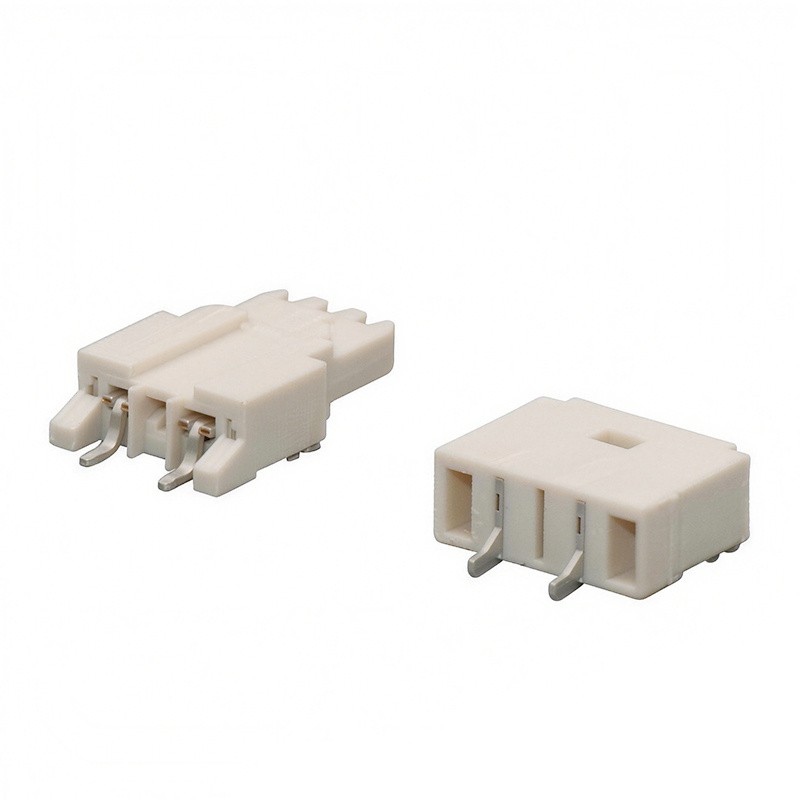
If you’re ready to talk through your specific project needs, don’t hesitate to reach out and connect with our team. We’ll walk through your fixture types, control system, environment, and code requirements to make sure you get the right connectors, no guesswork, no hidden issues.
FPC Connector References:
- National Electrical Code (NEC) Article 410: Luminaires, Luminous Tube, and Associated Equipment
- International Electrotechnical Commission (IEC) 60598: Luminaires – Part 1: General Requirements and Tests
- Zigbee Alliance Smart Lighting Specification v1.2
- Z-Wave Alliance Technology Overview and Compatibility Standards for Smart Home Devices
- National Fire Protection Association (NFPA) 70: National Electrical Code (2023 Edition)
Wenzhou JKUN Connector Co., Ltd.
Address: No.2667, Ningkang East Road, Yueqing City, Zhejiang Province, China
E-mail: sales@cnjkun.com
WebSite: https://www.jkunjcj.com/
