As a supplier of insecticides, I’ve witnessed firsthand the complex relationship between our products and the natural world. One of the most interesting and often overlooked aspects of this relationship is the impact of insecticides on cicadas. Cicadas, those iconic insects known for their loud summer choruses, have a unique life cycle that makes them both fascinating subjects of study and potential targets for insecticide applications. Insecticide

The Life Cycle of Cicadas
Before delving into the effects of insecticides on cicadas, it’s essential to understand their life cycle. Cicadas typically have a long – lived nymphal stage, which can last anywhere from 2 to 17 years, depending on the species. During this time, they live underground, feeding on the sap of tree roots. When the time is right, they emerge from the ground as adults, shed their exoskeletons, and take to the trees to mate and lay eggs.
The emergence of cicadas is a spectacular event, often occurring in large numbers. These mass emergences are known as broods, and they can have a significant impact on the local ecosystem. The sudden influx of cicadas provides a rich food source for many predators, including birds, mammals, and other insects.
How Insecticides Work
Insecticides are designed to control or eliminate insect populations. They work through various mechanisms, such as disrupting the insect’s nervous system, interfering with their metabolic processes, or preventing them from molting. There are different types of insecticides, including contact insecticides, which kill insects upon direct contact, and systemic insecticides, which are absorbed by plants and then ingested by insects when they feed on the plants.
Effects of Insecticides on Cicadas
Direct Effects
- Mortality: Contact insecticides can cause immediate death to cicadas when they come into physical contact with the treated surfaces. For example, if a cicada lands on a leaf or branch that has been sprayed with a contact insecticide, the chemical can penetrate its exoskeleton and disrupt its nervous system or other vital functions. Systemic insecticides, on the other hand, are more effective against the nymphal stage. When cicada nymphs feed on the roots of plants that have absorbed systemic insecticides, the chemicals are ingested, leading to their death over time.
- Behavioral Changes: Insecticides can also affect the behavior of cicadas. Exposure to sublethal doses of insecticides may cause cicadas to become disoriented, reducing their ability to fly, mate, or find food. For example, some insecticides can interfere with the cicadas’ ability to sense pheromones, which are crucial for communication during the mating process. This can lead to a decrease in mating success and ultimately a reduction in the cicada population.
Indirect Effects
- Impact on the Ecosystem: Cicadas play an important role in the ecosystem. Their mass emergences provide a significant food source for many animals. When insecticides are used to control cicada populations, it can disrupt this food chain. For example, if the cicada population is significantly reduced, predators that rely on them for food may face a shortage of resources, which can lead to a decline in their populations as well.
- Soil and Plant Health: The use of systemic insecticides can have long – term effects on soil and plant health. These chemicals can accumulate in the soil over time, potentially affecting the growth and development of plants. Additionally, they can harm beneficial soil organisms, such as earthworms and beneficial bacteria, which are essential for maintaining soil fertility.
Balancing the Need for Control and Ecological Impact
As an insecticide supplier, I understand that there are valid reasons for using insecticides to control cicada populations. In some cases, cicadas can cause damage to young trees and plants, especially when they are in large numbers. For example, female cicadas can cause damage to twigs when they lay their eggs, which can lead to the die – back of branches.
However, it’s also important to consider the ecological impact of insecticide use. We need to find a balance between controlling cicada populations to protect our plants and minimizing the negative effects on the environment. One approach is to use targeted insecticide applications. Instead of widespread spraying, we can focus on specific areas where cicadas are causing the most damage. This reduces the amount of insecticide used and limits its impact on non – target organisms.
Another approach is to use alternative methods of cicada control in conjunction with insecticide use. For example, physical barriers, such as netting, can be used to protect young trees from cicada damage. Removing dead trees and branches can also reduce the available breeding sites for cicadas.
The Future of Cicada Control and Insecticide Use
As our understanding of the ecological impact of insecticides grows, the future of cicada control is likely to involve more sustainable and environmentally friendly methods. Research is ongoing to develop insecticides that are more specific to cicadas and have less impact on other organisms. For example, scientists are exploring the use of pheromones to disrupt the mating behavior of cicadas, which could reduce the need for chemical insecticides.
In addition, there is a growing interest in integrated pest management (IPM) strategies. IPM involves combining multiple methods of pest control, including biological control, cultural practices, and the judicious use of insecticides. By using a holistic approach, we can effectively control cicada populations while minimizing the negative impact on the environment.
Why Choose Our Insecticides
As an insecticide supplier, we take pride in offering high – quality products that are both effective and environmentally responsible. Our insecticides are carefully formulated to target specific pests, including cicadas, while minimizing harm to non – target organisms. We work closely with researchers and environmentalists to ensure that our products meet the highest standards of safety and sustainability.
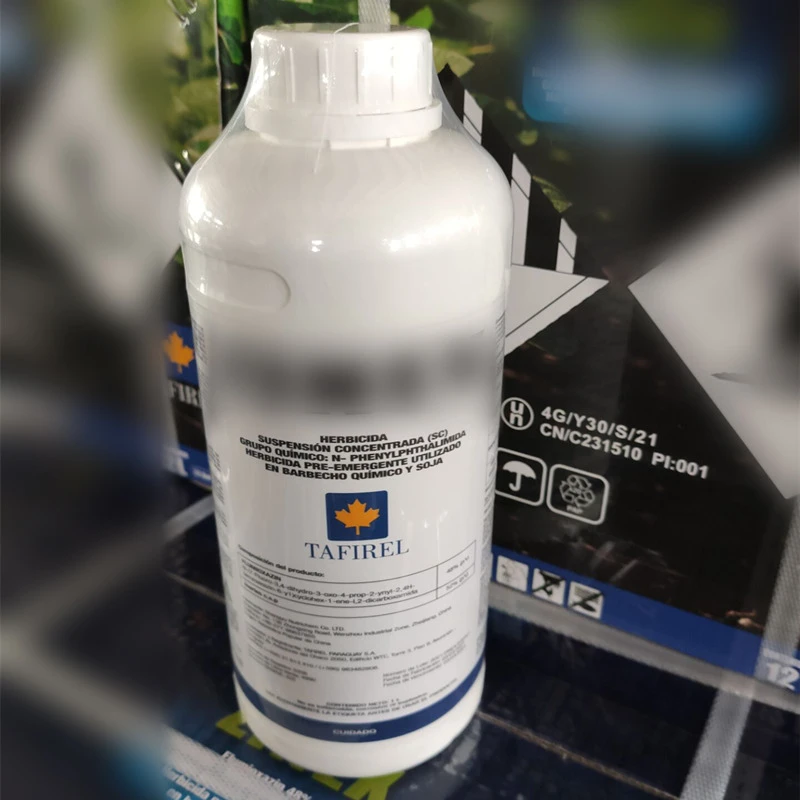
If you are facing a cicada problem and are considering using insecticides, we encourage you to reach out to us. Our team of experts can provide you with detailed information about our products, including their mode of action, safety profiles, and application methods. We can also help you develop a customized pest control plan that takes into account your specific needs and the ecological impact of insecticide use.
Herbicides By choosing our insecticides, you are not only getting a reliable solution to your cicada problem but also contributing to a more sustainable and environmentally friendly approach to pest control. Contact us today to start a conversation about how we can help you manage your cicada populations effectively.
References
- Dyer, L. A., et al. "Impacts of insecticides on non – target arthropods in agroecosystems: a review of integrated pest management – compatible alternatives." Annual Review of Entomology 59 (2014): 537 – 559.
- Kritsky, G., & Simon, C. (2010). "The 17 – year and 13 – year periodical cicadas (Hemiptera: Cicadidae: Magicicada): biology, behavior, and evolution." Annual Review of Entomology 55:231 – 252.
- Tooker, J. F., & Hanks, L. M. (2004). "Tree Guard Efficacy in Protecting Ornamental Nursery Trees from 17 – Year Cicada (Homoptera: Cicadidae) Oviposition Injury." Journal of Economic Entomology 97(5):1573 – 1579.
Changzhou Dayilong Bio-Tech Co., Ltd.
With abundant experience, we are one of the most professional insecticide manufacturers and suppliers in China. Please rest assured to buy bulk high quality insecticide made in China here from our factory. Good service and reasonable price are available.
Address: Hundsun Science & Technology Park 3-1, BeiTangHe Road 8, Tianning District, Changzhou City, Jiangsu, China
E-mail: Sales@dayilongbio-tech.com
WebSite: https://www.dayilongagro-chemical.com/
