Let me start this off like I’m sitting across from a regular at my workshop—you know, the kind who’s walked in asking about touching up that ding on their car’s door trim, and I’m not just regurgitating generic info, I’m drawing on three years of sourcing exterior door trim for auto manufacturers and independent shops alike. Let’s cut to the chase: when customers come to me asking, “Can I paint my car door exterior trim with regular car paint?” I get it—trim chips, fades, and that mismatched edge after a minor collision is the worst. But this isn’t a yes/no question, it’s a layered one, and after seeing hundreds of botched paint jobs and a handful of ones that hold up, I want to break it down like I do for every one of my clients and shop partners. Car Door Trim Exterior
First, let’s get one thing straight: I’m not just a supplier. I’m the guy who fields calls at 8 a.m. from a body shop panicking because their trim paint job failed in a rainstorm, and I’m the one sourcing OEM-grade and aftermarket door trim exterior parts for fleets, custom builders, and weekend hobbyists. So when I talk about regular car paint, I’m not talking about the $50 aerosol can from the auto parts store—regular car paint for this context is usually the basecoat-clearcoat (BC/CC) systems professional body shops use, plus the DIY single-stage paints that are meant for panel work. The question is: do those work on exterior door trim, and why do so many people get it wrong?
Exterior door trim has unique properties that most people don’t realize, and that’s where the paint failure starts. The vast majority of exterior door trim parts—especially the ones I supply, from OEM replacement to high-quality aftermarket—are made of polypropylene plastic. Some newer models use TPO (thermoplastic olefin), which is actually a type of polypropylene blended for flexibility. That stuff is the bane of body shops’ and DIYers’ existence because it’s non-porous, low-surface-energy (LSE) plastic—meaning paint can’t grip it properly. Regular car paint, even the professional-grade BC/CC, is formulated to stick to metal, fiberglass, or even factory primed plastics that aren’t LSE. I’ve seen a DIYer prime polypropylene with regular adhesion promoter only to have the whole paint job peel off three months later, because the cheap promoter they used didn’t account for the plastic’s molecular structure.
Then there’s the function of door trim itself, which is a detail most people miss. Trim’s job is to absorb minor impacts, resist water and road grime, and flex when the door opens and closes. Metal body panels are rigid—they don’t flex much, so paint on a panel can handle minor temperature changes and bending. But exterior door trim moves. When you open a car door, the trim flexes a little. When the car sits in the sun all day and then drives through a cold rain, the trim expands and contracts at a different rate than the surrounding metal door. Regular car paint has a specific coefficient of thermal expansion (CTE) that doesn’t match polypropylene or TPO—so over time, you get cracking, peeling, or bubbling paint. I had a fleet customer last year who painted their door trim on 15 work trucks with regular BC/CC; by month six, every single truck had chips along the trim edges where it flexes when the door opens. He called me furious, and I ended up having to supply 15 sets of pre-painted trim that was made for LSE plastics—no more issues.
Now, wait—does that mean regular car paint is completely off the table? No, but there are caveats, and only in specific cases. If your exterior door trim is actually made of metal (which is rare these days, mostly for classic cars or high-end luxury models), then regular car paint works just fine—same as painting a fender. The surface prep is still critical, though: sanding, priming, using the right adhesion promoter, letting each coat cure properly. But if your trim is plastic (which is 90% of what I supply now), then regular car paint can work only if you do the prep right, and even then, it’s a high-risk short-term fix. Let’s break that prep down because I’ve seen people skip steps and wonder why their paint failed. For plastic trim, even before any primer or paint, you can’t just wipe it down with soap and water. You need to scrub it with a wax-and-grease remover, then apply a special adhesion promoter formulated specifically for low-surface-energy plastics—not the general-purpose kind. Some people use a plastic etcher, but those are only for porous plastics, not polypropylene/TPO. Then, you need a primer that’s made for plastic, not metal. If you skip any of those steps, the regular car paint won’t stick.
But even if you do all that prep, there’s still the flexibility factor. I supply pre-painted exterior door trim parts that are factory-formulated to flex with the plastic, using paint systems designed for automotive plastics—they have additives that make the paint more pliable, so it moves with the trim instead of cracking. Those are the ones that last 5+ years, through temperature extremes, car washes, and minor bumps. Regular car paint doesn’t have those additives, so even with perfect prep, it’s going to fail faster. A DIY job might last a year or two, if you’re lucky. A professional shop job that uses regular car paint might last three years, but that’s on a part that’s supposed to last 10+ years. For anyone looking for a long-term solution, painting plastic exterior door trim with regular car paint is not the way to go.
I also want to talk about cost here, because that’s a big factor for a lot of people. If you do a DIY paint job with regular car paint, you might spend $100 on supplies, and get a year or two out of it. If you pay a body shop to do it with regular car paint, you’re looking at $200-$400 per set of trim. Compare that to buying a set of pre-painted exterior door trim from a reputable supplier like me—cost is often around the same or even less than a professional paint job, and you get a part that’s formulated to be painted on the right material, no prep needed on your end, and a long-lasting finish that matches the OEM paint code perfectly. I’ve had a customer who tried painting their 2018 Honda Civic’s black door trim silver with regular car paint, spent $150 on supplies, and it peeled in three months. They ended up buying a pre-painted set from me for $180, and it’s still looking perfect two years later. That’s the math that most people don’t do when they’re just looking for the quick fix.
Another common mistake: matching paint codes. Regular car paint, even professional BC/CC, is color-matched for metal panels. Metal panels have a different finish, depth, and sheen than plastic trim, because plastic doesn’t have the same metallic flake orientation. When you paint trim with regular car paint, even if you get the exact color code, the finish might look off compared to the door, because the flake sits differently on plastic. Pre-painted plastic trim is painted with paint that’s formulated to match the flake orientation for plastic, so the finish is seamless. I can’t tell you how many times a body shop has called me saying they spent days matching a color for trim, only for it to look mismatched, and had to pull a pre-painted part from my stock. It’s a huge time and money saver.
Let’s also address the “it worked for my cousin’s 2008 Accord” myth. Just because it worked for someone else doesn’t mean it’ll work for you. That 2008 Accord’s trim might be made of ABS plastic, not TPO, which is more porous and easier to paint. It might have been painted by a professional who did all the right prep steps, or it’s in a mild climate with little temperature fluctuation. My cousin’s 2012 Ford F-150, which has TPO trim, tried painting with regular car paint and it failed in six months. The same process on a 2008 Honda with ABS worked. So it’s not a one-size-fits-all, and most people don’t know what their trim is made of. That’s where a supplier’s expertise comes in— I can tell you exactly what material your exterior door trim is made of, what paint systems work for it, and whether painting it with regular car paint is a good idea.
Now, if you’re still set on painting your exterior door trim with regular car paint, here’s my professional advice (and I’ve given this to dozens of customers who insisted on DIY or body shop paint jobs). First, confirm your trim material: check the part number, or if it’s original, it’s almost always polypropylene/TPO post-2010 for most models. Second, use only a high-quality plastic adhesion promoter, not the cheap stuff from the dollar auto parts store. Third, use a plastic-specific primer, not metal primer. Fourth, use a flexible clearcoat over your regular car paint—add a flexible additive to the clearcoat, that’s the single most important step most people skip. The clearcoat needs to have enough give to move with the trim. Fifth, be prepared for it to not last as long as a specialized part, and have touch-up supplies ready for minor chips.
But here’s the thing: I’m in the business of providing solutions that last. I know how frustrating it is when a paint job fails, or when you’re stuck with mismatched trim. If you’re working on a classic car, and your metal door trim is already primed, regular car paint is a great option—just do the prep right. But for modern cars, where trim is made of non-porous plastic, buying pre-painted exterior door trim that’s designed for that specific use is a much better investment. It’s faster, cheaper in the long run, and you don’t have to deal with the hassle of painting it yourself or paying for a botched body shop job.
I’ve been in this industry for long enough that I’ve seen every trick in the book. I’ve seen DIYers use hair dryers to melt paint and make it more flexible (that works for a week, tops), I’ve seen body shops use regular car paint and charge triple what a pre-painted part costs, and I’ve seen customers come back to me again and again when their paint jobs fail. The bottom line is: yes, you can technically paint exterior door trim with regular car paint, but it’s not always a good idea, and the result will almost never be as durable or seamless as a part made for that exact purpose.
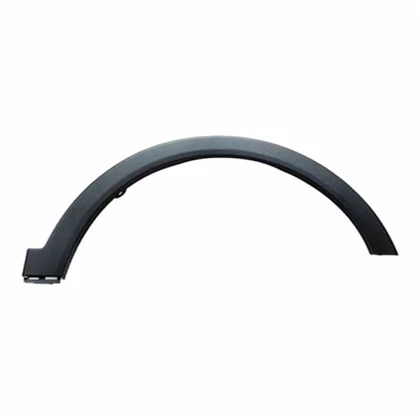
If you’re tired of dealing with peeling trim paint, mismatched finishes, or short-term fixes that cost you more in the long run, I’m here to help. I source and supply high-quality exterior door trim parts for all makes and models, pre-painted to exact OEM specifications, with paint systems designed to flex, resist weathering, and look like new for years. Whether you’re a DIY hobbyist working on your personal car, a body shop needing parts for a fleet of customer vehicles, or a custom builder working on a project, I can provide the parts and advice you need to get the job done right the first time. Reach out to me directly to discuss your trim needs, whether you’re looking to repair a damaged part, upgrade your exterior, or source parts for a large project. Let’s stop with the temporary paint jobs and get you a solution that lasts.
Rear Spoiler Systems References
Automotive Painters Association. (2021). Best Practices for Painting Automotive Thermoplastics. Professional Autobody Journal.
Society of Plastics Engineers. (2019). Material Properties of Exterior Automotive Trim Components. Thermoplastic Engineering Magazine.
National Automotive Parts Association. (2022). Longevity Comparison: Painted Trim vs. Pre-Finished Replacement Parts. Automotive Aftermarket Industry Report.
Hebei Xiujie Auto Parts Co., Ltd.
As one of the most professional car door trim exterior manufacturers and suppliers in China, we have world-leading production equipment and strong manufacturing capabilities. Please feel free to wholesale bulk customized car door trim exterior from our factory. Contact us for quotation and free sample.
Address: Industrial New Area, Wen’an County, Langfang City, Hebei Province (State-run Xiaowu Farm)
E-mail: runtaoli87@gmail.com
WebSite: https://www.xiujie-cn.com/
