Hey there! I’m a supplier of foot valves, and I often get asked a bunch of questions about how these nifty little devices work. One question that pops up quite a bit is, "Can a foot valve be used in a vertical pipe?" Well, let’s dive right into it and figure this out together. Foot Valve
First off, let’s talk about what a foot valve actually is. For those of you who aren’t in the know, a foot valve is basically a one – way valve that you typically install at the end of a suction pipe in a pumping system. Its main job is to prevent the backflow of liquid, keeping the pipe primed so that the pump doesn’t have to start from scratch every time it runs. It’s like a little gatekeeper for your pipes, making sure everything flows the way it should.
Now, when it comes to using a foot valve in a vertical pipe, there are a few things to consider. One of the major factors is the design of the foot valve itself. Most foot valves are designed to work in a vertical or near – vertical position. They’ve got a simple mechanism that relies on gravity to keep the valve closed when there’s no flow. When the pump starts pulling water up, the pressure difference overcomes the force of gravity, and the valve opens up to let the liquid in.
So, in theory, using a foot valve in a vertical pipe should work just fine. But as with most things in the real world, there are some practical considerations. One of the biggies is the type of liquid you’re dealing with. If you’re pumping water, you’re in pretty good shape. Water is relatively easy to work with, and most foot valves are well – suited for handling it. But if you’re dealing with a thicker, more viscous fluid, things can get a bit trickier.
Viscous fluids don’t flow as easily as water, and they can put more strain on the foot valve. The valve might have a harder time opening and closing properly, which could lead to reduced efficiency or even damage over time. In these cases, you might need to look for a foot valve that’s specifically designed for handling viscous fluids. These valves usually have a more robust design and might use different materials to ensure they can handle the extra stress.
Another thing to think about is the height of the vertical pipe. The higher the pipe, the more pressure the foot valve has to withstand. As the liquid column in the pipe gets taller, the weight of the liquid creates more pressure at the bottom, where the foot valve is located. If the pressure gets too high, it could cause the valve to fail. That’s why it’s important to choose a foot valve that’s rated for the maximum pressure you expect to encounter in your system.
For shorter vertical pipes, say a few feet tall, most standard foot valves should do the job just fine. But for taller pipes, like those you might find in a multi – story building or an industrial setting, you’ll need to be more careful. You might want to consider using a heavy – duty foot valve or even multiple valves in series to distribute the pressure more evenly.
The installation of the foot valve in a vertical pipe also matters. It’s crucial to make sure the valve is installed correctly. The valve needs to be perfectly vertical to ensure that the internal mechanism works as intended. If it’s installed at an angle, the valve might not close properly, leading to leaks and loss of prime. Also, you need to make sure there’s enough clearance around the valve for it to open fully. Any obstructions could prevent the valve from functioning correctly.
Now, let’s talk about the benefits of using a foot valve in a vertical pipe. One of the biggest advantages is that it helps to keep the pump primed. When the pump shuts off, the foot valve closes, preventing the liquid from flowing back down the pipe. This means that when the pump starts up again, it doesn’t have to waste time and energy trying to re – prime the system. It can just start pumping right away, which can save you a lot of money in the long run.
Another benefit is that it can protect the pump from damage. Without a foot valve, the pump might be forced to run dry when there’s no liquid in the pipe. Running a pump dry can cause overheating and wear on the pump’s components, which can shorten its lifespan. By using a foot valve, you can ensure that there’s always some liquid in the pipe, reducing the risk of damage to the pump.
But like any piece of equipment, foot valves aren’t perfect. They do require some maintenance. Over time, debris can build up inside the valve, which can prevent it from opening and closing properly. You’ll need to periodically check the valve and clean it out to keep it in good working condition. Also, the valve’s seals can wear out over time, leading to leaks. You’ll need to replace the seals as needed to ensure the valve continues to work effectively.
So, to answer the question, "Can a foot valve be used in a vertical pipe?" The answer is yes, in most cases. But you need to take into account factors like the type of liquid, the height of the pipe, proper installation, and maintenance. If you do all these things right, a foot valve can be a great addition to your vertical pipe system.
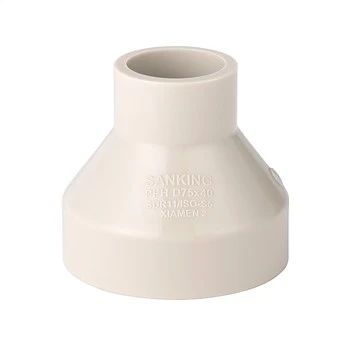
If you’re in the market for a foot valve for your vertical pipe application, I’m here to help. I’ve got a wide range of foot valves to choose from, each designed to meet different needs and specifications. Whether you’re dealing with water, a viscous fluid, or a high – pressure system, I’ve got a solution for you. Don’t hesitate to reach out if you’ve got any questions or if you’re ready to start a conversation about your foot valve needs. Let’s work together to find the perfect foot valve for your project.
Clear PVC Pipes References
- Fluid Mechanics textbooks
- Pump and Valve Manufacturer’s Guides
Xiamen Sanideng Plastics Industry Co., Ltd.
Xiamen Sanideng Plastics Industry Co., Ltd. is well-known as one of the leading foot valve manufacturers and suppliers in China. Please feel free to buy or wholesale high quality foot valve for sale here from our factory. For price consultation, contact us.
Address: No.169, Tong Hong Road, Tong’an District, Xiamen, China
E-mail: Sandy@sanking.cn
WebSite: https://www.sankingvalve.com/
